Mastering the Minimalist Garden Party Sign Display: A Guide to Elegant Digital Mockups
In the vibrant world of digital design and event planning, presentation is everything. Whether you are a graphic designer showcasing your latest typography work or an Etsy seller looking to boost conversions for your printable invitations, the way you display your art matters just as much as the art itself. This is where the concept of a minimalist garden party sign display comes into play. It is not merely a background; it is a strategic tool that bridges the gap between digital creation and physical reality.
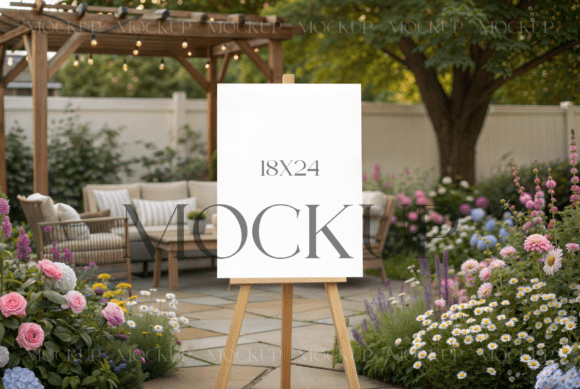
For many creatives, the challenge lies in helping clients visualize how a flat, two-dimensional design will look in a real-world setting. A standalone JPEG of a wedding invitation or a party poster often fails to capture the imagination. However, by utilizing a versatile 18x24 poster board mockup, you can present your creative lettering or graphics cleanly and professionally. This approach allows potential customers to see the texture, scale, and aesthetic harmony of their design within a curated environment, significantly enhancing the perceived value of your digital products.
The Power of Context in Digital Design
Why do minimalist mockups work so effectively? The answer lies in cognitive ease and aesthetic focus. When a viewer looks at a cluttered or overly busy background, their brain has to work harder to separate the product from the noise. In contrast, a minimalist vertical easel frame provides a clean, neutral canvas that guides the eye directly to the focal point: your design.
This technique is particularly relevant in modern e-commerce, especially on platforms like Etsy. Buyers are often scrolling through hundreds of listings. A listing that features a high-quality, realistic mockup stands out because it answers the unspoken question: "What will this look like at my event?" By using a digital download file that simulates a physical garden party setting, you provide immediate context. The neutral tones of the easel and the soft, natural lighting typical of garden themes blend seamlessly with any modern typography layout, ensuring that your specific design choices—whether bold and colorful or subtle and monochromatic—remain the star of the show.
Understanding the Technical Components
To fully leverage this tool, it is essential to understand what you are working with. A professional-grade mockup template is more than just a pretty picture; it is a sophisticated Photoshop file engineered for flexibility. Typically, such a package includes:
- A PSD file with Smart Object layers: This is the core of the template. Smart Objects allow you to insert your own 16x20 design non-destructively. This means you can adjust, resize, or replace your image without losing quality or altering the underlying perspective of the mockup.
- High-Resolution JPG files: Often included for quick previews or for designers who do not have access to Adobe Photoshop, these files usually come in high resolutions (such as 4000x3000px at 300 DPI) to ensure crisp details for web use or print portfolios.
The inclusion of a Smart Object layer is crucial for maintaining professionalism. It ensures that shadows, highlights, and perspective distortions are applied automatically to your design. This creates a photorealistic effect that would be incredibly time-consuming to achieve manually. For instance, if your design is placed on an easel, the mockup will naturally apply a slight curve or shadow to mimic how paper sits on a board, adding depth and authenticity to the final image.
Step-by-Step Guide to Using Your Mockup
Using a digital mockup might seem intimidating if you are new to Adobe Photoshop, but the process is designed to be user-friendly. Here is a straightforward guide to help you add your graphics to the template efficiently:
- Launch Photoshop and Open the File: Start by opening the provided PSD file. Locate the layer panel, usually found on the right side of the workspace. Look for the layer named "Smart Object" or similar, which will have a small icon in the corner indicating its special status.
- Access the Smart Object: Double-click on the thumbnail of the Smart Object layer. This action will open a new tab in Photoshop containing the placeholder image.
- Insert Your Design: Simply drag and drop your own graphic (your 16x20 design) onto this new tab. Ensure your design covers the entire canvas area.
- Adjust and Align: Use the transform tools (Ctrl+T or Cmd+T) to adjust the image size if necessary. Align it perfectly with the dimensions of the card or poster area. Once satisfied, save this file (Ctrl+S or Cmd+S).
- Return to the Main Mockup: Close the Smart Object tab and return to the main mockup window. You will see your design automatically updated and integrated into the scene, complete with realistic lighting and shadows.
This workflow allows for rapid iteration. If you want to test different color schemes or typography styles, you can simply repeat the process in seconds, making it an invaluable tool for designers who need to present multiple options to clients.
Best Practices for Visual Consistency
While the mockup does the heavy lifting regarding perspective and lighting, there are steps you can take to ensure the final result aligns with your branding requirements. You are allowed to modify the image and apply filters as necessary. For example, if your brand leans towards warm, vintage aesthetics, you might apply a subtle warm filter to the entire composition. Conversely, for a modern, clean look, you might increase the contrast slightly to make the typography pop.
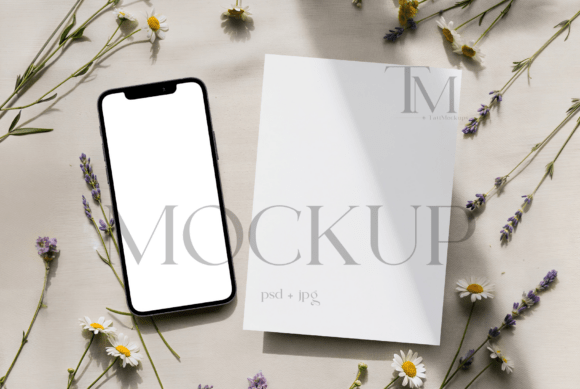
It is also important to remember that the stationery designs shown in preview images are not included in the purchase and are for display purposes only. This is a common misunderstanding among new buyers. The value you are purchasing is the framework—the digital stage upon which your content performs. Always ensure that the designs you insert are your original creations or properly licensed assets to avoid copyright issues.
Terms, Conditions, and Ethical Use
When utilizing digital assets like this minimalist garden party sign display, understanding the terms and conditions is vital for both legal compliance and professional integrity. These templates are licensed for specific uses, and respecting these boundaries protects the creators and maintains the quality of the digital marketplace.
Reselling Restrictions: Reselling the work as a mockup is strictly not permitted. You cannot take the PSD file, make minor changes, and sell it as your own template. Its purpose is solely for incorporating your mockup into business or personal projects, such as showcasing your invitation designs on your Etsy store or portfolio website.
No Refunds Policy: Due to the nature of instant file downloads, no refunds are typically offered. This is standard practice in the digital goods industry. Once the file is downloaded, it cannot be "returned." Therefore, it is advisable to review the product description and images carefully before purchasing to ensure it meets your technical needs (e.g., checking that you have the required software version).
Watermark Removal: The original files come without watermarks. Any watermarks seen in preview images are there to protect the intellectual property of the mockup creator before purchase. Once you have bought the file, you have the right to use the clean, high-resolution versions for your commercial or personal projects.
Enhancing Your Etsy Store Visual Presence
Ultimately, the goal of using a high-quality mockup is to enhance your visual presence. In a crowded online marketplace, trust is built through professionalism. A cohesive shop aesthetic, where all product images share a similar lighting style and background theme, signals to buyers that you are a serious, detail-oriented professional.
By adopting a minimalist vertical easel frame across your product listings, you create a recognizable brand identity. Customers begin to associate that clean, elegant look with your store. Furthermore, because the background blends seamlessly with any neutral party sign, you can use the same mockup for weddings, baby showers, corporate events, and birthday parties, providing versatility without sacrificing consistency.
In conclusion, investing in a versatile digital mockup is an investment in your brand's credibility. It transforms abstract digital files into tangible, desirable products. By understanding how to use these tools effectively, respecting the licensing terms, and focusing on clean, contextual presentation, you can elevate your design business and connect more deeply with your audience. Whether you are a seasoned designer or just starting out, mastering the art of the mockup is a skill that pays dividends in clarity, engagement, and sales.